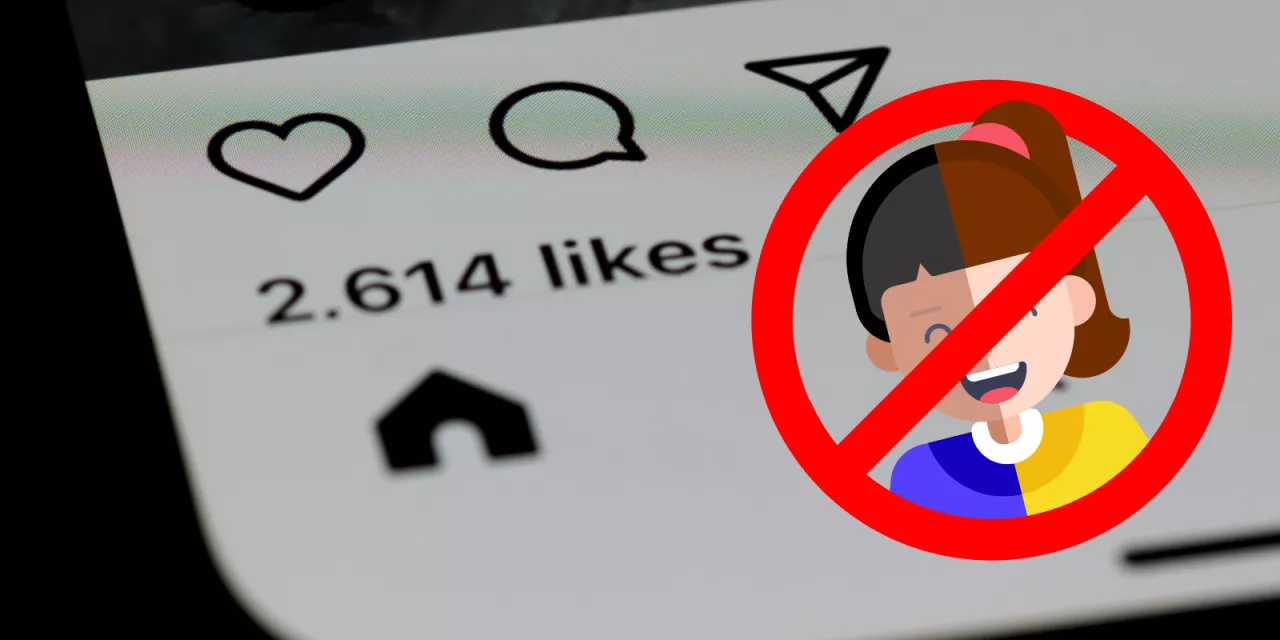
There is a growing debate on social media bans, but rarely do the people who would be affected get a voice. Members of the Teckids community aged between 9 and 22 years share their own view on the issue at the BigBrotherAwards. They found an analogy: An amusement park with a hazardous roller-coaster. There are frequent accidents, many people get injured. But instead of closing down the roller-coaster or improving its safety, politicians introduce a ban on amusement parks for children and teenagers. It turns out that the entrance checks can be circumvented with hats and fake beards. The dangerous roller-coaster remains in operation, accidents and casualties continue. Only those minors who play by the rules experience being excluded. The ban has not improved the situation.
The presentation consists of video inserts and presentations on stage. Using the game engine Luanti and the 3D modelling software Blender, scenes on a roller-coaster are shown and, preceded by a news insert, played as a video. Children show on stage how they dress up to get into the amusement park despite the ban. The contribution ends with an interview with two Teckids members.
The Teckids community gives the following reasons for its criticism:
- Instead of various groups of people being banned, the platforms must be regulated. The addiction-inducing algorithms, abuses of data and personalised advertising are harmful to adults, too, and they undermine democracy. There are laws against this already. Why are these not enforced?
- Safe spaces for everybody are still not created. We are getting excluded, but solutions such as the Fediverse, which would be able to truly remove the problems, are not being supported or further shaped. In the worst case, these solutions will be impacted even more by such a ban, as they cannot introduce access checks.
- Access checks are implemented by the platforms. As a result, platforms receive even more data, instead of being properly regulated. This affects adults too, since they have to pass the checks as well.
- We do not fundamentally object to measures for our protection. Many existing social media platforms are truly problematic and deliberately designed to be addictive, they abuse data and amplify populist views.
- If our spaces are not suitable for childrens and teenagers, we must change this, rather than excluding children and teenagers. Public spaces, including digital spaces, must be accessible and safe for all.
- Bans will not solve any of the problems. Politicians can point to them and claim that they have taken action. But we are paying the price.
- We want to be able to decide for ourselves. For that we need support in dealing with these platforms and, generally, we need good concepts for attaining (digital) maturity. But this can only make a difference if we then have the opportunity to put these concepts into action.
- Access controls are insecure and can be circumvented. Therefore, exclusion will continue – a ban will mostly impact those who actually cooperate and play by the rules. In other words, exactly those with whom agreements and education would work as well.
As a member of an EU-wide alliance of youth organisations, Teckids reaches out to politicians and the general public as well. An open letter was presented to Ursula von der Leyen on the occasion of her “State of the European Union” speech. As a (German) commentary intended for press coverage, it can be found here: https://teckids.org/blog/2026/04/veraenderung-statt-verbote/. The English open letter is at https://edri.org/our-work/youth-organisations-demand-social-media-change-not-bans/.
Internationally, professional associations in the field of protecting children and minors share the criticism of this political project.
Laudatio